Data-Driven Cleaning: The End of the “Static Schedule” in 2026
17/02/2026 by
admin
By March 2026, “cleaning on a timer” is no longer just inefficient—it is a measurable waste of capital. To meet the demands of the smart building 2026 landscape, facility managers are transitioning to data-driven cleaning models. Archway Facilities bridges the technology gap by deploying IoT occupancy sensors and smart hubs that trigger cleaning based on real-time usage, ensuring high-traffic zones remain pristine while slashing unnecessary labor costs.
Cleaning Empty Rooms?
In the hybrid-work era of 2026, cleaning an entire floor because “it’s Tuesday” is a logistical failure. If your current cleaning firm follows a static checklist while your meeting rooms sit empty for 48 hours, you are overpaying for “performative hygiene.” Worse, high-traffic washrooms may become bio-hazards hours before the next scheduled sweep. Archway’s on-demand cleaning model eliminates this risk by using data to direct crews where they are actually needed, providing an audit-ready trail of hygiene that static schedules cannot match.
IoT Deployment & The “Clean-to-Threshold” Strategy
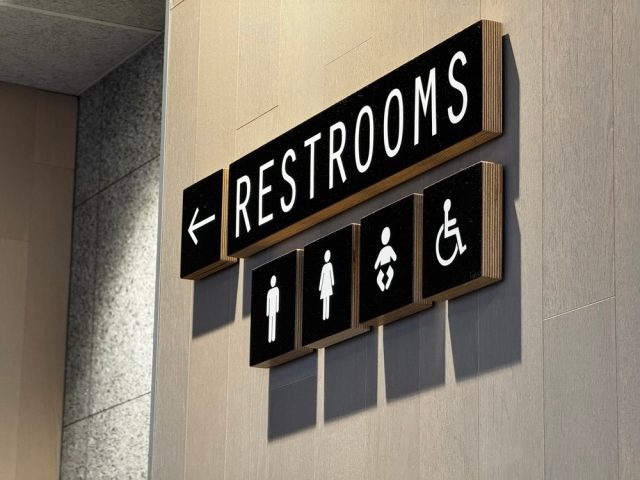
The core of our data-driven cleaning involves a network of “peel-and-stick” wireless IoT sensors. We monitor three critical metrics:
- Occupancy: Tracking how many people enter a washroom or meeting room.
- Air Quality (IAQ): Measuring CO2 and VOC spikes that signal a need for ventilation or surface reset.
- Supply Levels: Infrared sensors in dispensers alert our crews before soap or paper runs out.
When a room hits a pre-set threshold (e.g., 50 entries), a task is instantly pushed to our team’s smart cleaning technology platform, bypassing the outdated daily rota.
20% Reduction in Labor Costs via Cleaning Efficiency
By eliminating “ghost cleaning”—the act of servicing unused spaces—we typically reduce labor hours by 20% to 30%. This isn’t about cutting corners; it’s about ROI-focused hygiene. Those saved hours are redistributed to specialist deep cleans and pathogen control, ensuring your budget is spent on protection, not just presence.
Real-Time Foot Traffic Adjustments
Modern offices are dynamic. A sudden client presentation in Reading or a regional conference in Slough can double a building’s occupancy in hours. Our smart hubs provide real-time heatmaps to our area managers, allowing them to pivot “blitz crews” to hotspots instantly. This agility ensures that your facility maintains a 5-star “Smart Building” look even during unexpected usage spikes.

Serving the tech-heavy corridor of Reading and the corporate headquarters in Slough and Watford, Archway understands that “Smart” is the standard. In these high-velocity hubs, data is the common language. Our local supervisors use this data to provide Watford and Guildford facility directors with monthly “Usage vs. Hygiene” reports, justifying every penny of their cleaning spend.
Our data-driven approach is designed to provide the Evidence-Based Logs required for HSE (Health and Safety Executive) workplace audits and the National Standards for Healthcare Cleanliness 2025/26. By providing digital proof of service linked to actual usage, we ensure your facility is always “Audit-Ready.”
Technology is only as good as the humans who respond to it. Every alert triggered by our IoT sensors is tracked via our supervisor-led management system. Our supervisors don’t just wait for the dashboard to turn green; they forensic-audit the “on-demand” responses to ensure the contract cleaning quality remains at Archway’s high-precision standard.
Stop paying for “Tuesday cleaning” and start paying for hygiene. Request a Smart-Site data-driven cleaning from our consultancy team to see how demand-led cleaning can transform your 2026 ROI.
